You probably know what a social worker is, but what is a Community Support Worker? This career is fulfilling, impactful, and in-demand across the province. If you’re ready for a career that makes a difference, consider becoming a Community Support Worker! Keep reading to learn more about the duties, education, salary, and job prospects of this exciting career path.
Click the links below to navigate to specific sections.
Have further questions we didn’t answer here? Our Admission Advisors can help! Click the button below to complete a contact form and an advisor will connect with you soon.
What is a Community Support Worker?
Community Support Workers support vulnerable members of society through social assistance programs, one-on-one support, and community services. They often work with shelters, government agencies, non-profits, substance abuse centres, correctional facilities, and mental health agencies under the supervision of social workers. The individuals they work with are diverse, including people experiencing homelessness, individuals with substance abuse problems, people with special needs, victims of domestic violence, and individuals struggling with their mental health.
Community Support Workers play an important role in helping individuals overcome barriers and work toward greater independence. Their duties vary depending on their place of employment, but they often include administrative tasks such as preparing intake reports, building case histories, compiling resources, and coordinating with other social service providers. They also have more hands-on responsibilities such as developing action plans, facilitating workshops and programs, providing daily living assistance, and supporting clients with navigating government programs, finding employment, accessing housing, and attending appointments.
People suitable for this role are compassionate, resilient, and adaptable. They must be able to empathize with their clients, handle emotionally taxing situations, and think on their feet when things don’t go according to plan.
If this career sounds like a good match for you, the next step is to start your education and get hands-on experience to prepare you for the field.
Community Support Worker Program
The first step towards this career is enrolling in a Community Support Worker program, which typically ranges from seven to twenty-four months, depending on whether the program is a certificate or diploma program, the program format, and if work experience is included.
Through your education, you should learn the fundamental skills of this field, such as counselling diverse populations, understanding ethical standards, Applied Behavioural Analysis, the principles of psychological rehabilitation, and much more.
Sprott Shaw’s Community Support Worker program is designed with your career in mind. Our program emphasizes relevant skills, work experience, and real-world learning to ensure that you graduate with the knowledge, connections, and confidence to start your career immediately upon graduation. Our Community Support Worker instructors are industry experts with years of experience who are passionate about their work and helping students succeed.
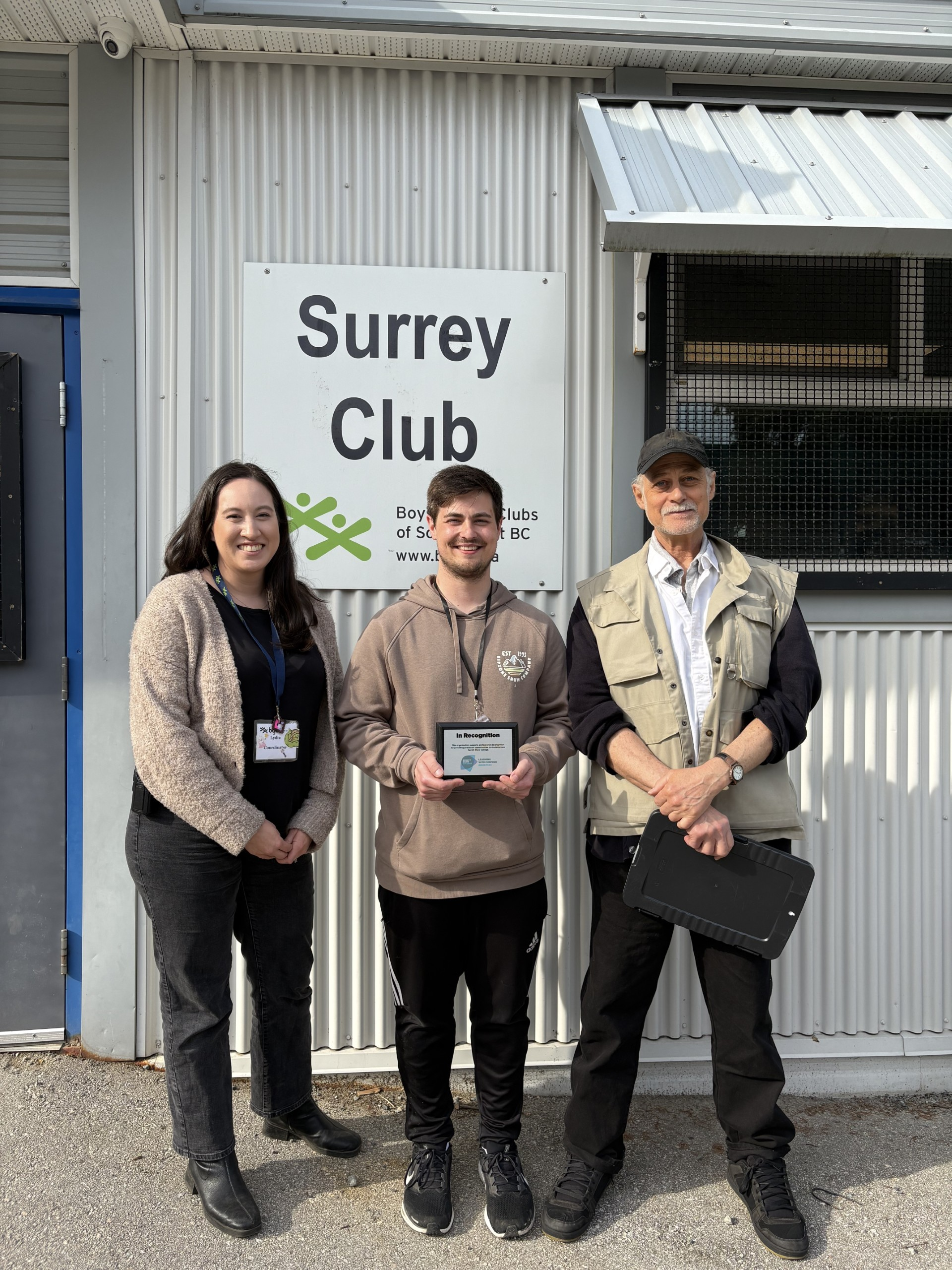
Brendan, a student from our Surrey campus, credits his instructor with helping him build confidence in his career: “Arden, the reason I chose [Sprott Shaw College] to begin with, provides the most informative and engaging classes I’ve had the pleasure of attending. His lectures and methods leave me with knowledge and skills I will feel confident taking into the field… He is a standout instructor and human whose wealth of knowledge and experience, paired with his genuine care for his students’ success, is invaluable to me.”
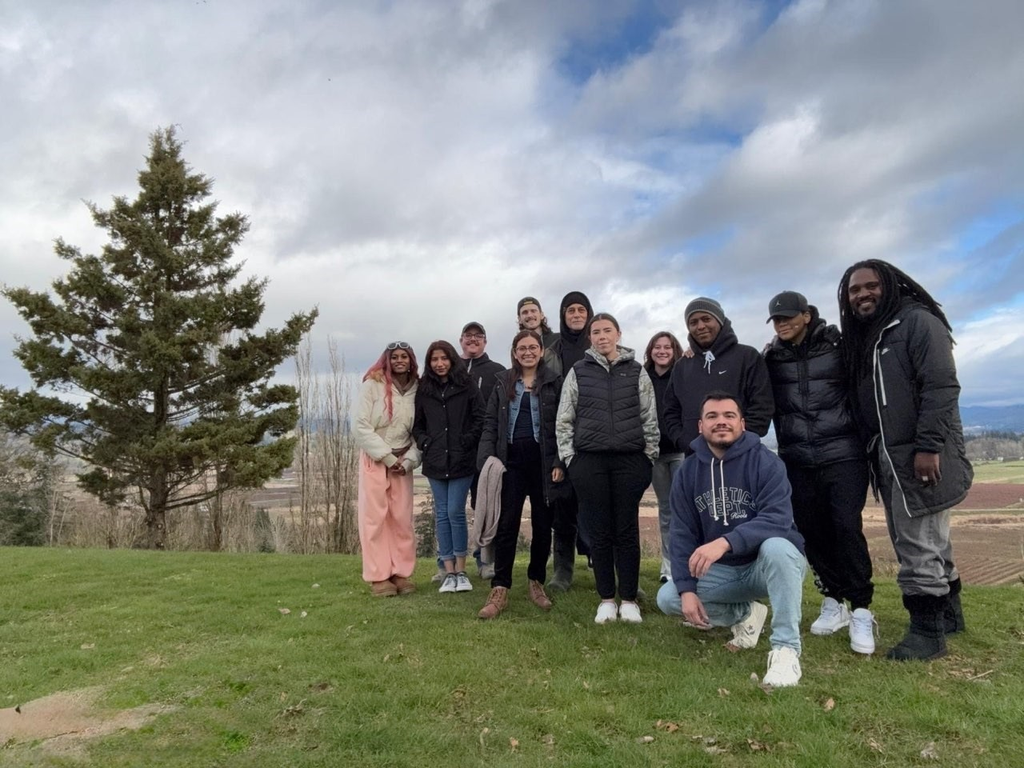
Community Support Worker students from our Surrey Campus with their instructor, Arden Schellert.
Our Community Support Worker program is unique in that it offers a university transfer pathway, allowing students to complete a bachelor’s degree in just two years after completing our program. This transfer pathway is an excellent way to get ahead. Through this pathway, students can obtain their diploma and the qualifications needed to begin working in social services, so they can earn an income and gain experience in the field while working towards their bachelor’s degree.
With 14 campuses across the province and the option to do online classes, our Community Support Worker program is an accessible option no matter where you are.
Community Support Worker Salary & Job Prospects
The average Community Support Worker salary is almost $45,000 a year, or $27 an hour, with the possibility to earn wages as high as $35 an hour, according to WorkBC.
Not only is this career path immensely fulfilling and impactful, but it is also one of the most in-demand jobs in British Columbia. WorkBC estimates that from 2025-2035, there will be over 16,000 job openings for careers in the community and social service field.
Most Community Support Workers work standard 40-hour work weeks, although part-time is common in entry-level positions. Depending on the setting and employer, some Community Support Workers may work shifts and are sometimes expected to work evenings and weekends.
Launch Your Career with Sprott Shaw College
Sprott Shaw College has been providing career-focused education in BC since 1903. With an emphasis on hands-on learning and real-world experience, our programs are designed to equip students with the skills and confidence needed to thrive in their careers. Our small class sizes and monthly start dates help students get the support they need and allow them to start school, graduate, and begin working sooner.
Ready to launch your career? Our Admissions Advisors can provide you with more information on our Community Support Worker program, upcoming start dates, funding options, admission requirements, and more. Click the button below to complete a contact form and an advisor will be in touch with you soon.
Disclaimer: Information contained in blog posts (including program offerings, program details,
career information, and more) is subject to change. For the latest up-to-date information, contact an admissions advisor or visit our program
pages.